

Why Investment in Gwadar Is No Longer a Waiting Game
Investment in Gwadar has entered a decisive phase where momentum is increasingly driven by execution rather than expectation. For years, investors viewed Gwadar as a long-term promise that required patience above all else. Today, that narrative is shifting. Investment in Gwadar is now shaped by visible infrastructure delivery, regulatory enforcement, and structured development models that have shortened the traditional waiting cycle. Buyers are no longer speculating on distant possibilities but responding to tangible progress on the ground. As planning frameworks mature and approved projects gain traction, Gwadar is steadily transitioning from a future story into an active investment environment with measurable signals of growth.
The Shift From Speculation to Structured Growth
For a long time, Gwadar’s appeal rested on its strategic location and long-term geopolitical relevance. While those fundamentals remain intact, what has changed is the pace at which development is materialising. Investment in Gwadar is now influenced by clearer zoning, phased infrastructure rollouts, and stronger oversight of land development. This shift has reduced uncertainty, allowing investors to move from speculative positioning to structured decision-making.
The emergence of planned developments within recognised frameworks has played a central role in this transition. Investors increasingly differentiate between raw land and organised projects that align with city planning objectives. The presence of a GDA-Approved Society has become a critical filter, separating credible opportunities from high-risk propositions. This regulatory clarity has shortened holding horizons and increased confidence across the market.
Regulatory Discipline and Market Confidence
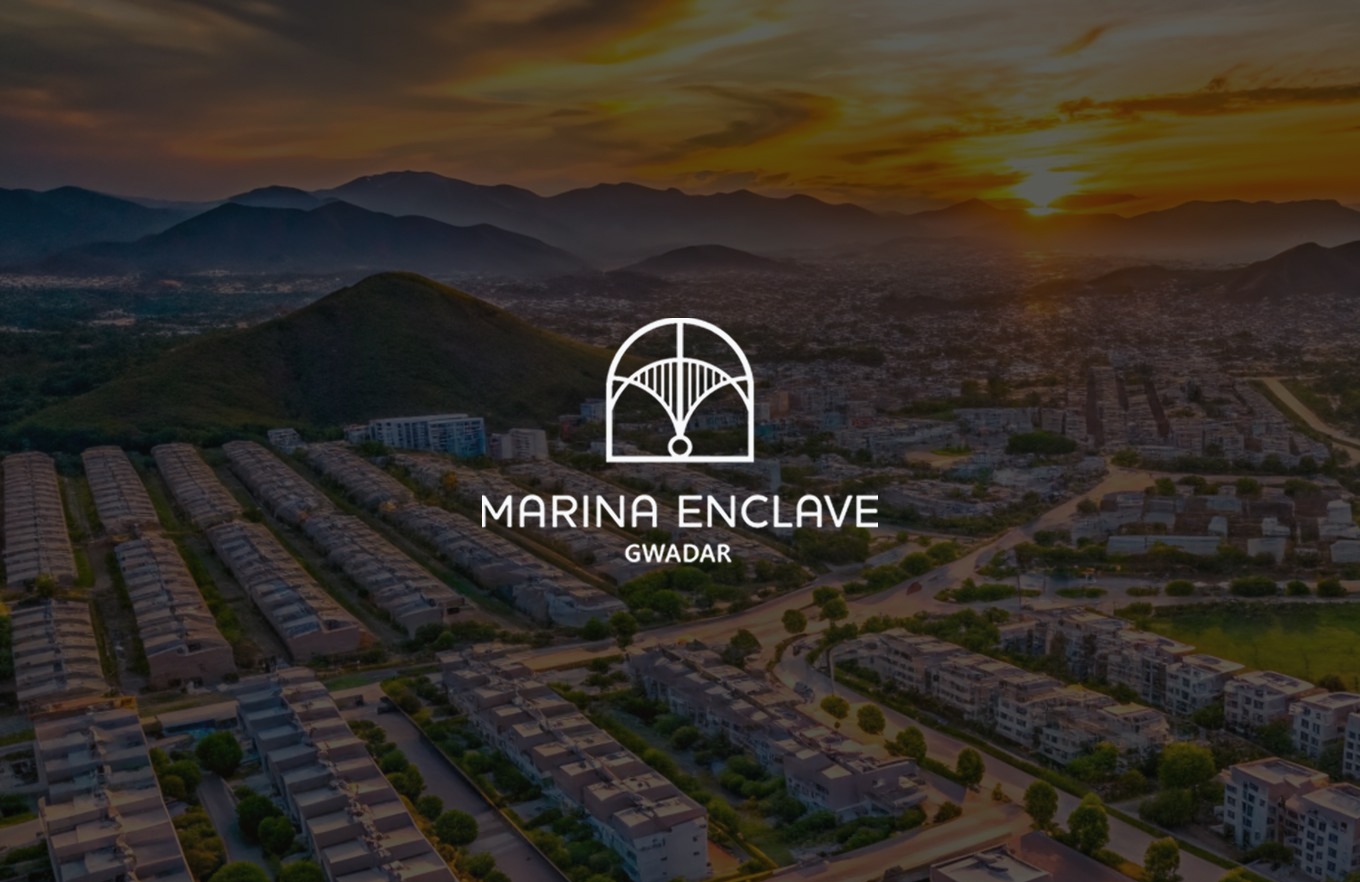
The enforcement of planning standards has had a stabilising effect on investor sentiment. When regulatory bodies actively oversee development, risk becomes measurable rather than ambiguous. This discipline has encouraged both domestic and overseas buyers to re-evaluate Gwadar as an investable market rather than a distant bet. Developments such as Marina Enclave Gwadar often attract attention because they operate within defined planning parameters, offering a clearer path from acquisition to value creation.
Infrastructure Delivery Is Changing Investor Timelines
One of the strongest indicators that investment in Gwadar is no longer a waiting game is the visible progress in infrastructure. Roads, utilities, and connectivity projects are gradually reshaping accessibility and usability across key zones. While infrastructure development is an ongoing process, the difference today lies in continuity rather than announcements alone.
Investors typically wait for infrastructure signals before committing capital. In Gwadar’s case, these signals are becoming increasingly concrete. Improved access routes, port-related activity, and urban service expansion are reducing the lag between investment and utility. This has altered how investors assess entry points, making earlier participation more attractive than delayed action.
Residential and Mixed-Use Readiness
As infrastructure improves, residential viability follows. Investment in Gwadar is no longer limited to long-term land banking but increasingly includes consideration of future habitation and commercial activity. Planned residential zones supported by infrastructure are beginning to demonstrate functional readiness. This readiness enhances both resale potential and long-term value stability, particularly within organised developments.
The Role of GDA-Approved Societies in Accelerating Returns
A defining factor in Gwadar’s evolving investment landscape is the growing importance of GDA-Approved Society status. Approval does not guarantee returns, but it significantly reduces legal and planning risk. Investors now place greater emphasis on documentation, layout approvals, and development permissions before committing capital.
This shift has professionalised the market. Instead of chasing low entry prices alone, buyers assess compliance, delivery capacity, and development sequencing. Projects aligned with regulatory requirements tend to attract sustained interest, which supports liquidity and gradual appreciation. As a result, investment cycles shorten, and confidence builds more quickly than in unregulated environments.
Why Approved Developments Attract Overseas Buyers?
International investors, including those from the UK, are particularly sensitive to regulatory risk. GDA-approved projects provide a level of comfort that aligns with international investment expectations. This growing overseas participation is contributing to market maturity, reinforcing the perception that Gwadar has moved beyond speculative infancy.
Market Behaviour Is Reflecting Increased Confidence
Another sign that investment in Gwadar is no longer defined by waiting is the change in buyer behaviour. Investors are becoming more selective, more informed, and more strategic. Transactions are increasingly driven by project fundamentals rather than rumours or short-term hype.
This behavioural shift indicates a market entering a more stable growth phase. When buyers focus on long-term usability, planning compliance, and development quality, price movements tend to become more rational. This benefits investors who enter with realistic expectations and structured holding strategies.
The Impact of Planned Communities
Planned communities are shaping Gwadar’s investment narrative by offering integrated environments rather than isolated plots. Developments such as Marina Enclave Gwadar illustrate how planning-led growth can reduce uncertainty and improve value visibility. These projects contribute to a sense of continuity and direction within the market, which shortens the psychological waiting period for investors.
Timing, Not Patience, Is Now the Key Variable
In earlier phases, patience was the primary requirement for Gwadar investors. Today, timing has become equally important. As infrastructure, approvals, and demand converge, late entry may reduce upside potential. Investment in Gwadar increasingly rewards those who understand development cycles and position themselves accordingly.
This does not imply immediate returns or speculative flipping. Rather, it reflects a market where progress is visible enough to justify informed participation. Investors who continue to wait for perfect conditions may find that much of the early-stage value has already been absorbed.
Risk Has Become More Quantifiable
When risk can be measured, it can be managed. The current Gwadar market offers clearer indicators of progress, allowing investors to assess exposure more accurately. This quantification of risk is what transforms waiting into action for serious buyers.
Conclusion
Investment in Gwadar has reached a stage where visible development, regulatory enforcement, and structured planning have replaced prolonged uncertainty. While the city remains a long-term growth story, it is no longer defined by inactivity or indefinite timelines. With infrastructure advancing and GDA-approved societies setting new standards, Gwadar now presents a more immediate and structured investment environment. For informed investors, the question is no longer whether to wait, but how to position wisely within an evolving market.
Take the next step in Gwadar’s growth journey by consulting experts who understand approved projects and timing strategies.
FAQs
Is investment in Gwadar still considered high risk?
Investment in Gwadar carries risk, but improved regulation, infrastructure progress, and approved developments have made risks more measurable and manageable.
Why does a GDA-Approved Society matter for Gwadar investors?
A GDA-Approved Society provides legal clarity, planning compliance, and reduced uncertainty, which supports long-term investment confidence.
How does Marina Enclave Gwadar fit into the current market phase?
Marina Enclave Gwadar reflects the shift towards planned, regulated development, offering investors clearer visibility on growth and usability.